How this site is made.
How this site is made, and the standards behind it. Custom-built, so the same care that goes into client work goes into my own.
Last updated November 16, 2026
Built with
Custom-coded in Astro 7 with TypeScript, and deployed to Cloudflare. Every page is built ahead of time as plain HTML, and the case studies are text files that live with the code. No page builder, no stock template, no lock-in.
- Framework
- Astro 7, with TypeScript
- Hosting
- Cloudflare, every page built ahead of time as plain HTML
- Type
- Hanken Grotesk, one font file served from this site
- In the browser
- A few small plain scripts, and no React
- Tests
- 42 Playwright test files that open the pages in a real browser, with axe checking accessibility
The night view of Cincinnati on the About page is by Tim Thorn on Unsplash. The Edinburgh view beside it is mine.
Typography
Everything is set in Hanken Grotesk, served from this site, not from a font service.
It is one variable font file holding every weight from 100 to 900, and the site leans on a few of them. The three cards below show the ones you read most: 400 for body text, 500 for headlines and 700 for the one bold word. While it loads, Arial stands in, scaled to Hanken's letter widths, so a line breaks where the real font will and nothing jumps when it arrives.
Hanken Grotesk 500
How this site is made.
Every headline
Hanken Grotesk 700
made.
The one bold word in a headline
Hanken Grotesk 400
Modern websites for small businesses, nonprofits, churches, and schools. Based in Cincinnati, working with clients anywhere.
Everything you read
Color
A near-white page, near-black ink and one blue of my own, for headlines, buttons, one price card and the closing panel. Every other color on the site is a client's, inside the window, sheet or section that shows their work.
The paper things keep their own colors on both sides of the page: the boarding pass on the About page, the type cards above, and the envelope on the contact page, whose two stamps are the Saltire and the Stars and Stripes in the flags' own colors.
Accessibility
Built to WCAG 2.2 AA and checked automatically on every deploy. In plain terms: it works with a keyboard and with a screen reader. There is a fuller statement on the accessibility page.
Performance
Every page is static HTML, so it stays fast on a phone and a slow connection.
This page, right now
Measured in your browser as this page loaded, so these are true of your visit, not numbers I typed in.
- Transferred
- 0 KB
- Requests
- 0
- Fonts in use
- Measuring
- Theme
- Measuring
- Motion
- Measuring
- Built
A file your browser already had costs nothing to fetch, so a second visit reads lighter.
The other rows are measured by a small script, and scripts are off, so only the build date shows.
Screenshots
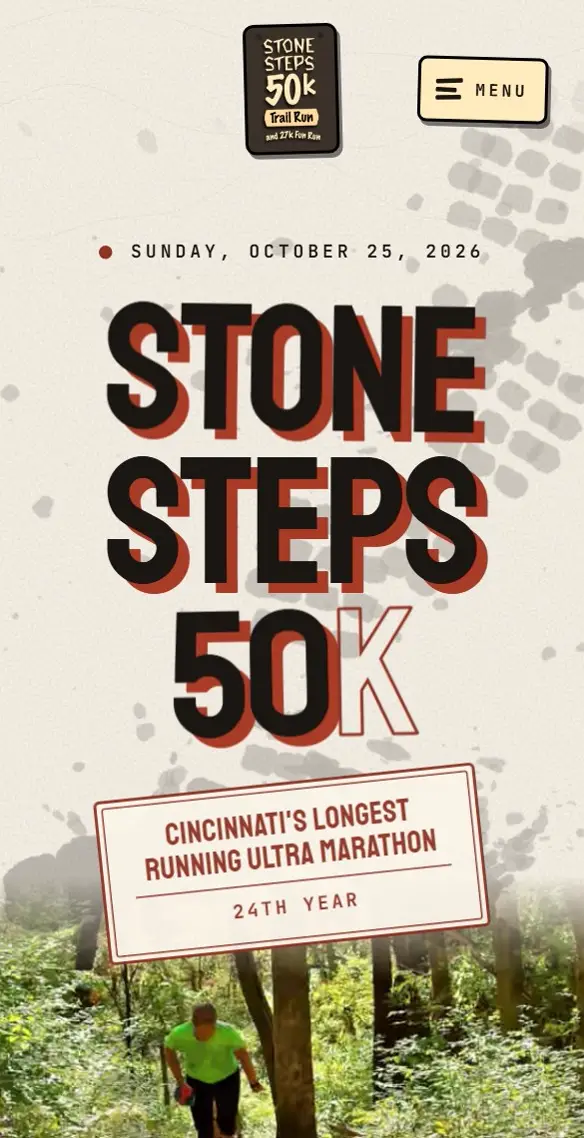
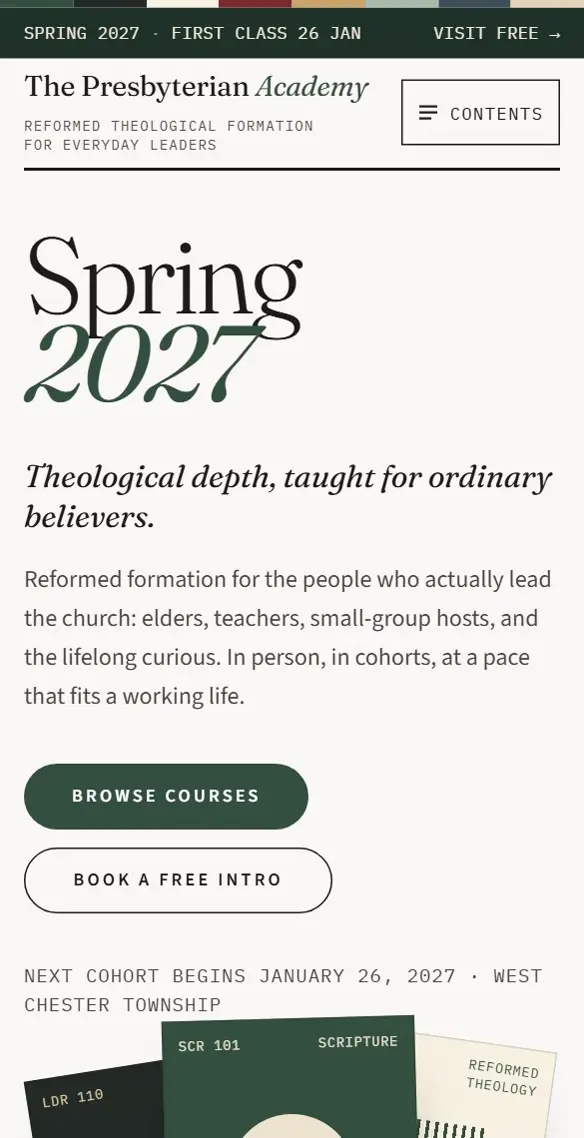
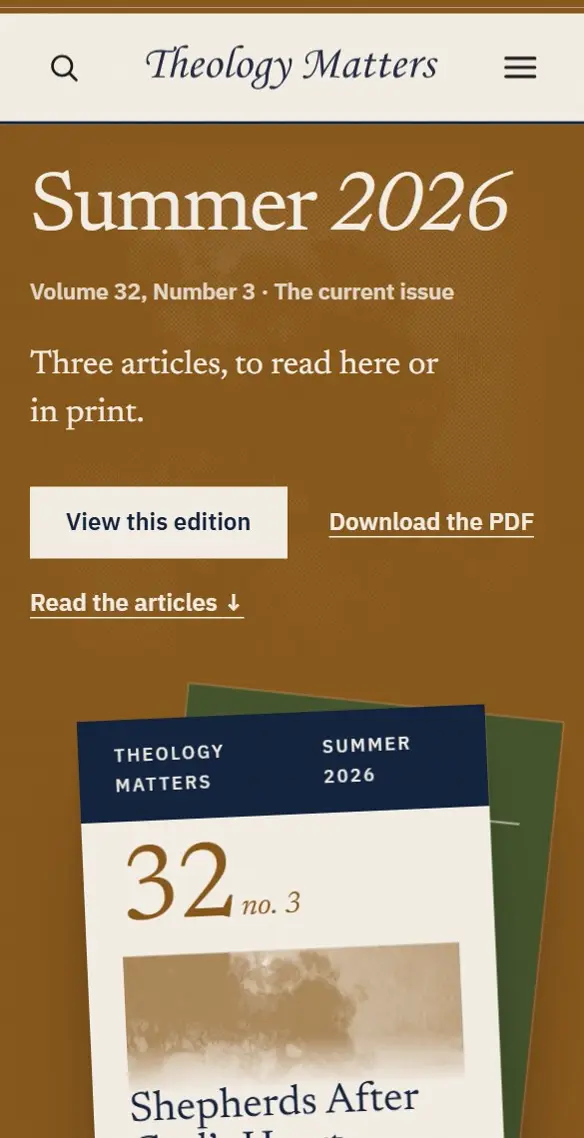
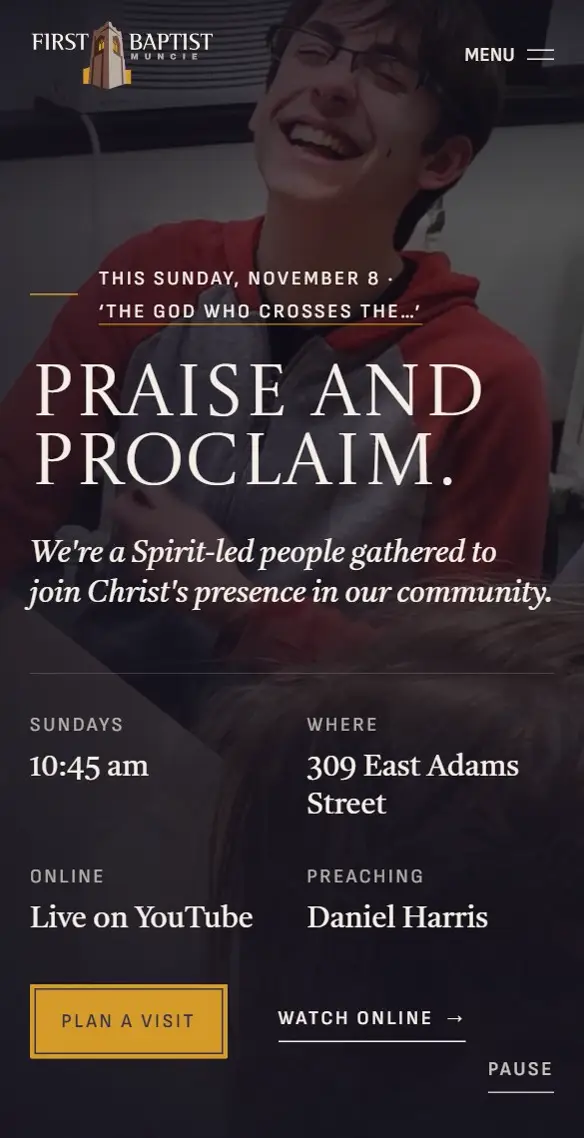
Every client site shown here is a real, live site. The screenshots and footage are captured from the live pages by a script that lives with the code, not mocked up.
The flags on the postcard
The two flags waving in the sky of the postcard on the About page are cloth I simulated in Blender: the Saltire over Edinburgh in gusting wind, and the Stars and Stripes over Cincinnati in a steady breeze, framed close on its stars.
- Simulate. A sheet of cloth in the flag's real proportions, pinned along the pole and blown by wind, rendered frame by frame on a clear background.
- Composite. Each frame is laid into the sky of the photograph through a mask cut from the photograph itself, so the flag sits behind the buildings, toned down and fading towards the horizon.
- Loop. A simulation never repeats, so a script finds the stretch whose last frame looks most like its first and blends the seam, and the flag waves on without a jump.
The loops load only when the postcard comes near, and with reduced motion or Data Saver on they hold still as a single frame.
Privacy
Two tools count visits: Cloudflare's, which sets no cookies, and Google Analytics, with its advertising features left off. The site also keeps its own anonymous record of which pages each browser looks at, and Microsoft Clarity records how pages are used, with the contact form hidden from it. No advertising trackers. The privacy page lists everything the site collects.